
The Trillion dollar industry
At the time of writing, the Waikato DHB cyber-attack is ongoing. The government is refusing to pay the ransom as a point of principle, and it looks like every possible tool at their disposal is being used to try to recover the situation.
Should they just pay the ransom? Or should the government go further and make it illegal to pay ransoms in New Zealand? That’s the question that Minister Kris Faafoi is having to assess at the moment. DHB attack: Why Justice Minister Kris Faafoi won’t make it illegal to pay a cyber-ransom – NZ Herald
Cyber crime is big business. We’ve called it organised crime in previous articles and we’re happy to stick with that. These organisations recruit the best and brightest out of the top universities, and give them both the latest tools and time to wreak havoc. Their recruits are paid astronomical sums to work for them, overcoming any moral objections with immorally large pay checks. These paychecks are funded by the proceeds of previous hacks. Every time they are paid, their war chest is strengthened. For example, we recently saw the Colonial Pipeline in the eastern US get hacked for 75 bitcoins (just under US$4M) which went to a criminal group called ‘Darkside”.
So, will cutting off payments stop their attacks by removing the incentive?
These criminals are smart and highly motivated. They seem to have no conscience but plenty of greed. Waikato is not only the hospital being brought down – there was a huge wave of hospital attacks in the US in October, just a few months ago – Several hospitals targeted in new wave of ransomware attacks – CNNPolitics.
I don’t know how Waikato DHB got infected, but the rumour is that it was from phishing attacks onto machines that weren’t fully patched up to date. We don’t know if that is true, but it is a common attack vector. Once a hacker gets into a system, they often hold back and try to dig further looking for more vulnerabilities they can exploit. The more damage they can cause, the more ransom they can demand, so they will often use one vulnerability to find the next, and so on until they finally have enough to bring the house down.
Security is all about layers. There is NO way to prevent attacks, and it is impossible to guarantee that any system is invulnerable. We saw that with the recent Hafnium attack where a vulnerability was exploited before patches were available to block it. But the more layers of security, the harder you make it, and you reduce the scope of any harm.
Today, even if you have the best backups and can recover the system, the hackers then threaten to release the data you hold to media or competitors. In the case of the Waikato DHB, it is being reported that personal data is being released to media by the hackers to increase pressure, even as they fail to stand their systems up.
As to paying the ransom, I suspect your perspective changes when your business, your job or livelihood is threatened. Not an easy decision and hopefully one we can avoid by being paranoid.
The best solution we can recommend is to check your cyber insurance and to apply the best security you can reasonably afford, which should be more than you had last year. Expect it to be more again next year as new tools and new threats emerge. Consider managed security solutions like our KARE Plans.
We don’t know where this will end, or if it will end, but let’s hope so. It is such a drain on our resources and holds us back from investing in tools that make us more productive.

SIM Swapping Hijacking Cybercrime defeats (some) Multifactor Authentication
Today, its absolutely vital that you have multi-factor authentication on every key website you access, especially banking ones. In some cases, the multi-factor response is by way of a SMS text message sent to your phone, that you then enter into the website. Imagine...
Top Microsoft Teams Tips to Keep Your Team Together
People are already feeling strain with the rapidly changing face of Covid-19. Stress and tensions are naturally high and for many organisations this could be first time they have asked people to work remotely for extended periods. It’s definitely not our New...

Making it Work When Working From Home
Working remotely can be invigorating from time to time, but there’s a reason why we don’t do it permanently. If we’re forced to work remotely for a long period, how do we overcome isolation effects? Working together in an office has a number of social benefits. You...

Get a free copy of our COVID19 Business Readiness Kit
In this kit,we’ll take a look at how you can effectively check your systems, processes, and people are ready for the impacts of COVID19. We’ll explore the key things you need to consider relating to: The tools you use and how...

Covid-19 (CoronaVirus) and your IT
No amount of AntiVirus software will help with this one! Whether this is a "Black Swan" event or not, it's certainly having an impact. As I write this, there are stories of panic buying of hand sanitiser and face masks at the local supermarkets. That means it's...

Google Chrome – Urgent Security Warning
Security Advisory – Google Chrome Google has reported a security issue in the Chrome browser. This issue is known to attackers and it is already being exploited by some. All versions of Chrome are affected. Google have released an update for...

Are you really at threat from Cyber-Crime? 2 trillion reasons to say YES.
In New Zealand, the National Cyber Security Centre (NZ Govt - https://www.ncsc.govt.nz/ reports they reduced harm in NZ by $27.7 million in 2018/19. We know that’s just the tip of the iceberg – most cyber crime still goes unreported and certainly doesn’t get stopped...
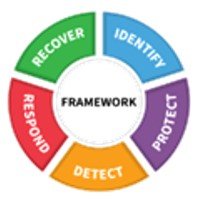
With yet another IT security warning from the NSA, we’re being asked “so what is best practice?”
Aligning with NIST.....? Is your Cybersecurity protection matching best practice? Clearly the cybersecurity stakes are higher. The security precautions that used to be reasonable are no longer enough. Stakeholders expect businesses to do more – whether it’s your...
What will the 20’s decade bring?
There’s a debate raging in our office as to whether the new decade begins this year, 2020, or next, 2021. Regardless, we can all agree on the vast change in everyday technology since 2010. It’s a great time to reflect on what we might see in the next ten years, using...
Is your Bluetooth safe?
Bluetooth has become ubiquitous. We use it to connect our phones, laptops, keyboards, mice, headphones, speakers, cars – more and more each day. Even watches now! It seems to have got easier, maybe because we’re so practised with it. Bluetooth is everywhere. ...