
This sounds like a nightmare that could never happen.
US soldiers have been putting sensitive information online in non-secure third party websites. It defies belief, yet we’re reading that it happened. The story popped up on ‘Gizmodo’ .
It is alleged that US Soldiers were saving sensitive information on a couple of common flashcard sites, presumably of things they were trying to memorise and learn. It seems these are common learning tools used in universities to help students memorise facts. That works well so long as the facts aren’t top secret! Even worse, their settings were on ‘public’ not ‘private’!
It is a classic warning about the risk of people, however well intentioned, saving critical data online in places the organisation is unaware of, and can’t control. That’s why our KARE FOUNDATION proactive cyber-security plan helps identify use of these sites in your organisation.
Shadow IT is part of our 10-point cyber-security check list
While there is no single layer of technology that can guarantee you will be safe from hackers, you can reduce your risk by adding layers of protection. How many of our 10-point check list are in place for you?

Ransomware claims increase 27%
The Coalition Insurance "2023 Cyber Claims Report: Mid-year Update" highlights the changing nature of the cyber threat landscape that businesses are currently facing, with a record surge in claims severity compared to the previous year. This is US data but it tends...

Significant DNS outages
There are several Clients that are affected by the current DNS (Domain Name Services) outage that is ongoing at the time of writing. This seems to be limited to DNS hosted with the provider "Discount Domains" and this is affecting inbound remote access, some VPNs and...
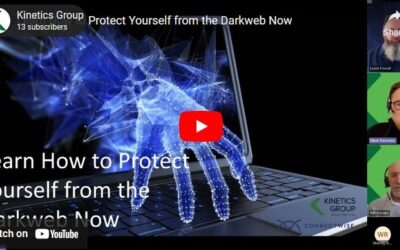
Webinar Replay : Learn How to Protect Yourself from the Darkweb Now
What does it mean If your personal details are leaked on the darkweb? Learn how you can manage your risks.The darkweb is a network of websites and servers that are not indexed by traditional search engines and require special software to access. It's a place where...
Training builds staff capability and productivity
How are you supporting IT Training and Development?Training builds staff capability and productivity Unlock the features and potential of your staff and computer systems. Providing employees with training, shows them a clear growth plan and help you retain your top...
Protect Yourself from AI Phone Scams: A Terrifying New Trend
The rise of AI phone scams has brought personal targeting to a whole new level. Scammers are using AI-created fake texts (smishing) or even AI -created cloned voices of social media users. It has already found its way to New Zealand shores - New AI combats text...

KARE – Will your support plan need to change?
2008 was a long time ago. New Zealand was a different place. The IT maintenance needs of business were so much simpler! Locally, there was a change of government. Internationally, we were watching the start of the GFC with the fall of Lehman Bros bank. In the...
Putting a light on the dark web with upgraded monitoring
What's the Dark Web? The Dark Web, is often associated with a veil of notoriety, is a part of the internet intentionally hidden from traditional search engines. It requires specific software, such as Tor, to access, offering an anonymous platform where privacy is...

What is Micro-Coaching?
What is Micro-Coaching? Short one to one sessions where you learn, solve problems, achieve goals and transform through Insight Led Learning. Each session lasts for up to an hour and gives you the opportunity to work with one of our consultants to work through a goal,...

Are you still using email attachments to share documents?
Microsoft are working hard to change your habits. We’ve all experienced the problem of sharing emails and finding that our documents proliferate different versions with different edits which can be quite challenging to bring together. But that’s not the only problem....

When does using CC in an email become a privacy breach?
Sometimes you need to use the BCC (Blind carbon copy) function in email! Last month, the email addresses of 147 gun owners were shared in an email. Whoever was sending the email put everyone in the 'cc' line. That meant their email addresses could be read by anyone...