
Your own personalised stalker
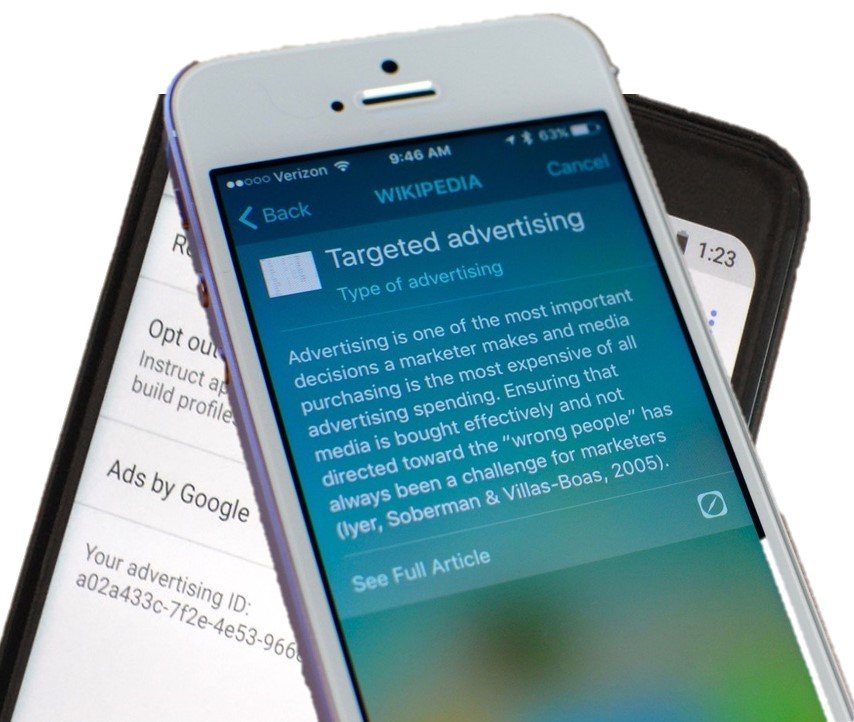
It always seemed slightly creepy that your computer shows advertising that is strangely accurately targeted at things you might have been interested in. On the surface, that seems quite useful. If you have to tolerate ads on your screen, at least having them show things you were interested in seems helpful.
Instead, we wonder how the system knows. It feels like a breach of our privacy.
It all starts when you install an app, and it pops up a question asking for permission to use your location, and/or your camera and/or your microphone.
This is useful for advertisers. For example, they can use your location. If the app reports this back to the content provider, they can match up your location and compare you to other people nearby. If you tend to go to the same places as other people, you are probably interested in the same things, so an advertiser might use that assumption to present advertising to you, or other people that you spend time with.
That does sound a bit overreaching, but we reluctantly agree to the presented terms simply because we want to use the app. If that is a condition of use, and we want to use the app, then we agree.
So, now we are seeing consumers getting the choice to push back.
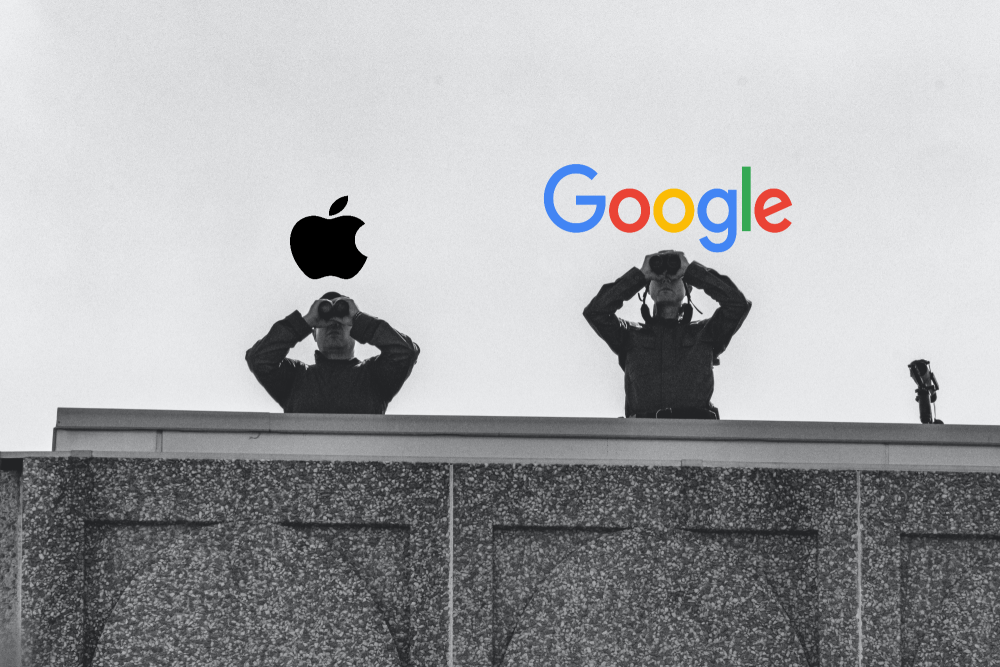
Apple
Now, with iOS15, Apple are saying that you will get to see what apps are accessing your data. You will be able to see when an app used that permission, and there it was sent to. Whether that list of third party sites is any use or not is meaningful is unclear.
Not quite as advanced but following quickly behind is Google Android. With Android 12, you will have the option to de-personalise your data. They will still track usage, but won’t link it back to you.
Is there any truth to the rumour that your phone or TV is listening to you, and presented content based on private conversations it overhears?
Given how poor the voice recognition is on phones , cars, or tools like Alexa or Siri, its pretty evident this can’t be reality. If it, is, then heaven only knows what it thinks it’s hearing. The voice recognition tools are getting better all the time, but there is a long way to go.
SIM Swapping Hijacking Cybercrime defeats (some) Multifactor Authentication
Today, its absolutely vital that you have multi-factor authentication on every key website you access, especially banking ones. In some cases, the multi-factor response is by way of a SMS text message sent to your phone, that you then enter into the website. Imagine...
Top Microsoft Teams Tips to Keep Your Team Together
People are already feeling strain with the rapidly changing face of Covid-19. Stress and tensions are naturally high and for many organisations this could be first time they have asked people to work remotely for extended periods. It’s definitely not our New...

Making it Work When Working From Home
Working remotely can be invigorating from time to time, but there’s a reason why we don’t do it permanently. If we’re forced to work remotely for a long period, how do we overcome isolation effects? Working together in an office has a number of social benefits. You...
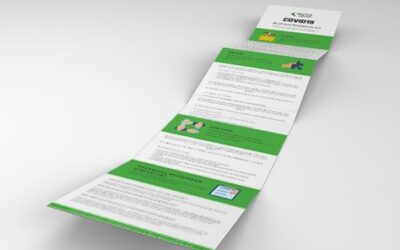
Get a free copy of our COVID19 Business Readiness Kit
In this kit,we’ll take a look at how you can effectively check your systems, processes, and people are ready for the impacts of COVID19. We’ll explore the key things you need to consider relating to: The tools you use and how...

Covid-19 (CoronaVirus) and your IT
No amount of AntiVirus software will help with this one! Whether this is a "Black Swan" event or not, it's certainly having an impact. As I write this, there are stories of panic buying of hand sanitiser and face masks at the local supermarkets. That means it's...

Google Chrome – Urgent Security Warning
Security Advisory – Google Chrome Google has reported a security issue in the Chrome browser. This issue is known to attackers and it is already being exploited by some. All versions of Chrome are affected. Google have released an update for...

Are you really at threat from Cyber-Crime? 2 trillion reasons to say YES.
In New Zealand, the National Cyber Security Centre (NZ Govt - https://www.ncsc.govt.nz/ reports they reduced harm in NZ by $27.7 million in 2018/19. We know that’s just the tip of the iceberg – most cyber crime still goes unreported and certainly doesn’t get stopped...
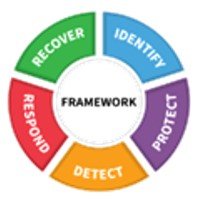
With yet another IT security warning from the NSA, we’re being asked “so what is best practice?”
Aligning with NIST.....? Is your Cybersecurity protection matching best practice? Clearly the cybersecurity stakes are higher. The security precautions that used to be reasonable are no longer enough. Stakeholders expect businesses to do more – whether it’s your...
What will the 20’s decade bring?
There’s a debate raging in our office as to whether the new decade begins this year, 2020, or next, 2021. Regardless, we can all agree on the vast change in everyday technology since 2010. It’s a great time to reflect on what we might see in the next ten years, using...
Is your Bluetooth safe?
Bluetooth has become ubiquitous. We use it to connect our phones, laptops, keyboards, mice, headphones, speakers, cars – more and more each day. Even watches now! It seems to have got easier, maybe because we’re so practised with it. Bluetooth is everywhere. ...