Your own personalised stalker
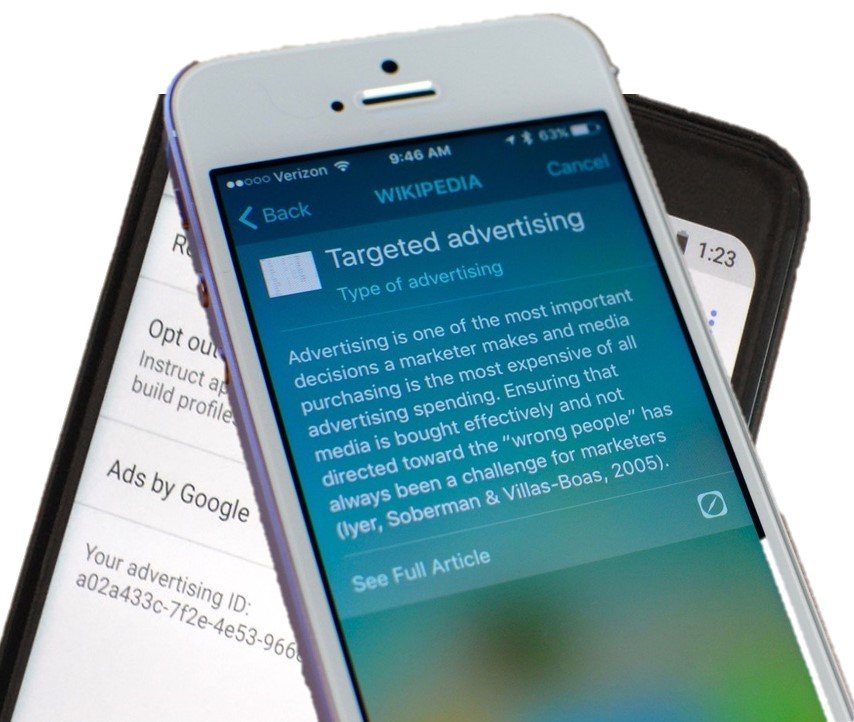
It always seemed slightly creepy that your computer shows advertising that is strangely accurately targeted at things you might have been interested in. On the surface, that seems quite useful. If you have to tolerate ads on your screen, at least having them show things you were interested in seems helpful.
Instead, we wonder how the system knows. It feels like a breach of our privacy.
It all starts when you install an app, and it pops up a question asking for permission to use your location, and/or your camera and/or your microphone.
This is useful for advertisers. For example, they can use your location. If the app reports this back to the content provider, they can match up your location and compare you to other people nearby. If you tend to go to the same places as other people, you are probably interested in the same things, so an advertiser might use that assumption to present advertising to you, or other people that you spend time with.
That does sound a bit overreaching, but we reluctantly agree to the presented terms simply because we want to use the app. If that is a condition of use, and we want to use the app, then we agree.
So, now we are seeing consumers getting the choice to push back.
Apple
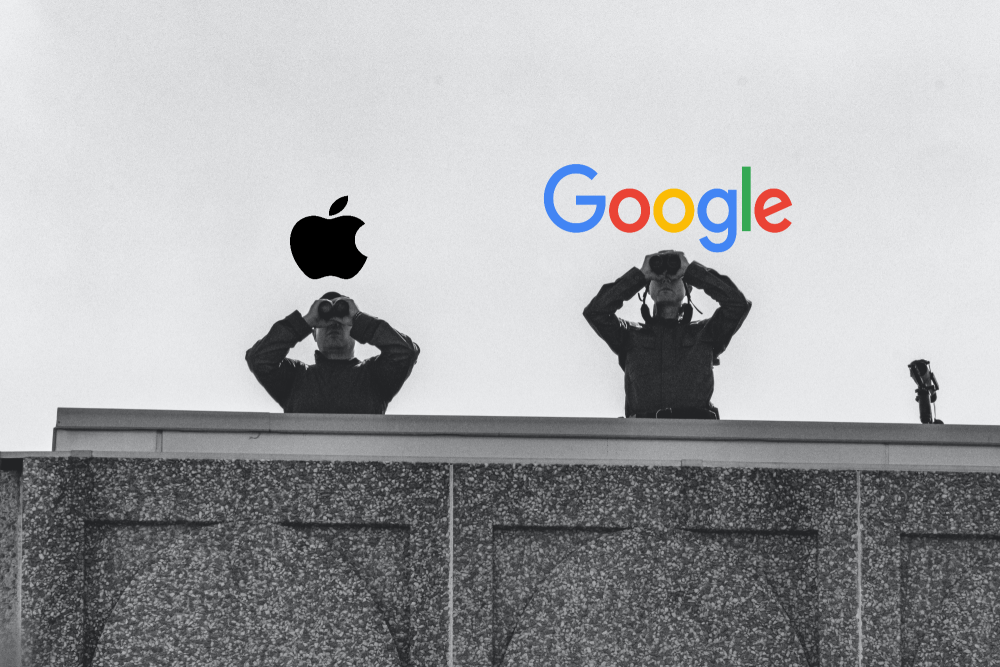
Now, with iOS15, Apple are saying that you will get to see what apps are accessing your data. You will be able to see when an app used that permission, and there it was sent to. Whether that list of third party sites is any use or not is meaningful is unclear.
Not quite as advanced but following quickly behind is Google Android. With Android 12, you will have the option to de-personalise your data. They will still track usage, but won’t link it back to you.
Is there any truth to the rumour that your phone or TV is listening to you, and presented content based on private conversations it overhears?
Given how poor the voice recognition is on phones , cars, or tools like Alexa or Siri, its pretty evident this can’t be reality. If it, is, then heaven only knows what it thinks it’s hearing. The voice recognition tools are getting better all the time, but there is a long way to go.

5 quick tips to help you save time every day in 2022
Who knows what 2022 will bring. We’re as happy as the next person to make predictions but we’d just predict we’d be wrong! About the only certain guess is that we’ll be under more pressure and with that, it makes sense to share a few everyday IT tips. 5...
Do you need to worry about the “Log4J” Cyber Security Zero-Day breach?
Mainstream media is abuzz with the latest software vulnerability. It is in a commonly used component called Log4J 2. This component is in widespread use and the risk is real. This is a fast paced and quickly changing alert. At the time of writing, the immediate...

What’s worse than having to pay Ransomware?
The answer : Having to pay it twice - (or even more). Your Cyber-Security is under more pressure than ever. According to Infosecurity magazine, "double" extortion ransomware victims are up a massive 935% - thats a ten-fold increase year-on-year. This is driven by the...

“Phishmas” – its not that punny
Whatever it takes to draw your attention to Cyber Security is worth it. Just because we take time off at Christmas doesn't mean the hackers do. They have taken a lot of heart from the way we have all embraced home-delivery for our shopping and are doubling down with...

Is your Fingerprint effective security?
Straight out of the movies We are all used to the idea of using our fingerprints to log into our cell phones and, for some of us, our laptops. We’ve been told fingerprints are secure, and effective for ‘biometric authentication’ In the movies, we see finger prints...

Have you been vished?
What is vishing? Vishing is scamming via phone calls, effectively "phishing" by voice, hence the name, Voice phishing - Wikipedia Unfortunately, like many other cyber-attacks, incidents are on the rise. Because the damage is done over a phone call, they are even...

Beware – Social Engineering! The number one security threat to business is your people!
Every business collects data, from sales leads to financial transactions and everything in between. Increasingly data is the new ‘gold’. The problem is, unlike actual gold that you can put in a vault, data is weightless, and your staff need access to your data to get...

Dodging dodgy websites
Not too long ago, (some) businesses tried to limit websites that people could visit during working hours. They blocked social sites and Trademe and so forth. The logic was that people should be working, not surfing the net. Luckily this seems to have faded – staff are...

What will the Microsoft annual/monthly licensing changes mean for you?
A few weeks ago, we warned you about changes to Microsoft 365 pricing coming in at March 2022. We still don't know the exact prices. Microsoft have published some USD numbers and we have used those to base an estimate on, but we don't know for certain what the final...

Does the new Chinese PIPL law apply to you?
If you do business in China, you need to know about the “PIPL” It’s the Chinese equivalent of the GDPR from the EU – and your responsibility to protect the data privacy of the Chinese. The law came into being relatively quickly and has already taken effect as at...