Your own personalised stalker
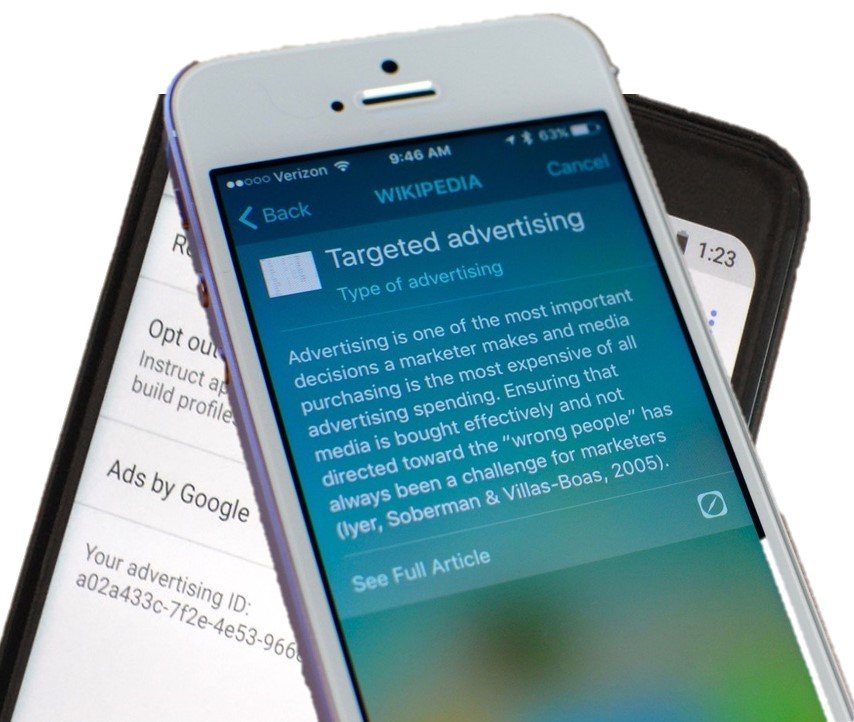
It always seemed slightly creepy that your computer shows advertising that is strangely accurately targeted at things you might have been interested in. On the surface, that seems quite useful. If you have to tolerate ads on your screen, at least having them show things you were interested in seems helpful.
Instead, we wonder how the system knows. It feels like a breach of our privacy.
It all starts when you install an app, and it pops up a question asking for permission to use your location, and/or your camera and/or your microphone.
This is useful for advertisers. For example, they can use your location. If the app reports this back to the content provider, they can match up your location and compare you to other people nearby. If you tend to go to the same places as other people, you are probably interested in the same things, so an advertiser might use that assumption to present advertising to you, or other people that you spend time with.
That does sound a bit overreaching, but we reluctantly agree to the presented terms simply because we want to use the app. If that is a condition of use, and we want to use the app, then we agree.
So, now we are seeing consumers getting the choice to push back.
Apple
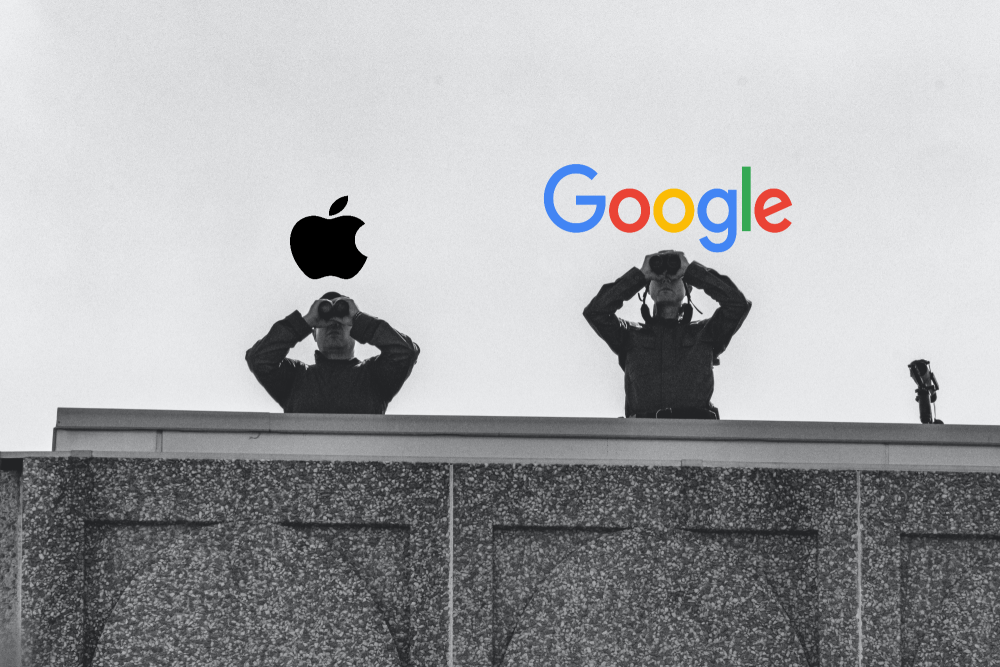
Now, with iOS15, Apple are saying that you will get to see what apps are accessing your data. You will be able to see when an app used that permission, and there it was sent to. Whether that list of third party sites is any use or not is meaningful is unclear.
Not quite as advanced but following quickly behind is Google Android. With Android 12, you will have the option to de-personalise your data. They will still track usage, but won’t link it back to you.
Is there any truth to the rumour that your phone or TV is listening to you, and presented content based on private conversations it overhears?
Given how poor the voice recognition is on phones , cars, or tools like Alexa or Siri, its pretty evident this can’t be reality. If it, is, then heaven only knows what it thinks it’s hearing. The voice recognition tools are getting better all the time, but there is a long way to go.
Hot off the press – we have just received CERT NZ’s report for the last quarter of 2021
So, just a quick reminder of who CERT NZ are – it’s the official NZ Government Cyber-Security agency. So, first up – 13% increase in reported incidents on the previous year and a big spike into the last quarter. 9% more phishing attacks. 24% more malware, based on the...
Are your staff or volunteers your organisation’s biggest security risk?
Despite the best technology defenses (next-gen firewalls and antivirus, advanced threat protection, mail washing, web filtering, regular patching) infections and security events can still occur due to what is often the biggest risk – your people People-risk is harder...
Is your IT strategy meeting the business needs of your community?
There’s a saying that goes “A goal without a plan is a wish." With that in mind, does your organisation have an IT Strategy? Is it aligned with your board's business plan? The reason this is important is that it allows you to make better decisions and be more...
Is the board doing enough to get the cyber-security cost/risk balance right?
Is your organisation doing enough to get the cyber-security cost/risk balance right? Cyber-security protection can feel like an unending cost. Is your board aware of their obligations to your not-for-profit? Are they aware of the unique risks that most NFP's...
Does your NFP have the right relationship with your IT provider?
Do you have the right relationship with your IT provider? Regardless of whether your IT provider is your in-house IT team or a trusted business provider, do you have the right relationship with them? The right IT provider will ask "WHY" long before they ask "WHAT" and...
Does your Not-For-Profit have the right data privacy policy?
Data privacy is now a hot topic in NZ. This was driven by three main factors: 1. The GDPR (General Data Protection Regulation) which came into effect in Europe in May 2018. This introduced strict regulations on what private information is, how to get consent from...
When hacking can help.
Ukraine is pretty well known for tech innovation. In fact it was worth $US6.8 Billion last year Ukraine’s Booming Tech Outsourcing Sector at Risk After Russian Invasion - WSJ. On top of that ‘legitimate’ work, Ukraine has also been home to some of the...

Sigh! How dumb and immoral can hackers get?
You can only sigh! We are witness astounding bravery and inspirational leadership in the Ukraine. We are watching the unfortunate abandoning everything they have built up to become refugees as they flea the dangers. The world is heartbroken. But amongst us there are...
Who really controls your organisation’s IT systems and your data?
Do you know who owns and leases your operational equipment, or your buildings, plant and other physical facilities..Can you say who controls your IT? How flexible is your IT supply chain to meet your not-for-profit's ongoing needs? You exist to serve your community -...
Are you maximising your Not-For-Profit’s technology investment?
Every organisation has to be careful when making IT investments - as everyone has competing projects demanding attention. It seems even more heightened in the not-for-profit sector when reducing money needed for infrastructure frees up resources for community...